
The Ultimate Sales Team Follow-Up Cadence for B2B
The fortune is in the follow-up.
Every salesperson knows this cliché. Very few actually practice it.
Statistics show that 44% of salespeople give up after one follow-up.
Yet, 80% of sales require five or more follow-ups to close.
There is a massive disconnect between what sales teams do and what actually works.
If your reps are sending "just checking in" emails and giving up after a week, you are burning leads.
You are wasting your marketing budget.
In this guide, I will break down exactly how to structure a relentless, value-driven follow-up cadence.
Here is what we will cover:
- Why Reps Fail at Following Up
- The Anatomy of a High-Converting Follow-Up
- Multi-Channel Cadence Strategy
- Providing Value Over "Checking In"
- When to Break Up with a Prospect
- Automating the Process Without Losing the Human Touch
Let's start closing more deals.
1. Why Reps Fail at Following Up
Why do salespeople stop following up?
Fear.
They are afraid of being annoying. They are afraid of rejection.
They convince themselves that if the prospect hasn't replied to the second email, they must not be interested.
This is fundamentally flawed.
B2B buyers are busy. They have their own fires to put out.
Ignoring an email does not mean "no." It usually means "not right now."
You must train your reps to reframe the follow-up.
It is not an annoyance; it is a service. It is a persistence in delivering value to someone who has a problem you can solve.
If you truly believe in your product, you have a moral obligation to follow up until they give you a definitive answer.

2. The Anatomy of a High-Converting Follow-Up
The "just checking in" email is dead.
It provides zero value. It puts the burden of action entirely on the prospect.
Every follow-up must have a specific purpose.
A good follow-up contains:
- Context: Remind them why you are reaching out.
- Value: Give them something new (a statistic, an article, a case study).
- A Soft Ask: A low-friction call to action.
Instead of: "Hey, did you see my last email?"
Try: "Hey [Name], following up on our chat about lead routing. I saw this new benchmark report showing that a 5-minute response time increases conversions by 391%. Thought it might be useful for your team's current project. Open to a 10-minute chat next Tuesday?"
It is helpful, relevant, and professional.
3. Multi-Channel Cadence Strategy
Do not rely solely on email.
Email inboxes are warzones. Your follow-up will get buried.
You need a multi-channel cadence.
Combine email, phone calls, LinkedIn messages, and even direct mail for high-value targets.
Different prospects prefer different channels.
If they ignore your emails, they might respond instantly to a LinkedIn voice note.
If they screen their calls, they might read a physical letter sent to their desk.
Mix it up. A true cadence touches the prospect across their entire professional ecosystem.
A Sample 14-Day Cadence
Day 1
Send initial highly personalized email and connect on LinkedIn.
Day 3
First phone call. Leave a value-driven voicemail.
Day 5
Email #2: Share a relevant case study or industry article.
Day 9
LinkedIn message referencing the article you sent.
4. Providing Value Over "Checking In"
Your cadence should be a drip campaign of value.
Map out your sequence. What are you offering at each step?
Step 1: The initial pitch. Step 2: An ROI calculator template. Step 3: An invite to an exclusive webinar. Step 4: A recent success story from a competitor in their space.
By the time you reach out for the fifth time, you have provided so much free value that the prospect feels compelled to at least reply.
This is the law of reciprocity in action.
Stop asking for their time. Start giving them your expertise.
5. When to Break Up with a Prospect
Persistence is key, but you should not follow up forever.
Eventually, you hit diminishing returns.
This is where the "Break-Up Email" comes in.
It is typically the final email in a 20-30 day sequence.
The goal is to provoke a response, even if it is a "no."
It looks something like this:
"Hi [Name], I've reached out a few times and haven't heard back. Usually, this means this isn't a priority right now, or you've gone with another solution. If that's the case, I'll stop reaching out. Let me know if I should close your file."
This email consistently gets the highest reply rate of any email in the sequence.
People hate open loops. They will reply just to close the loop.
And often, they will apologize for being busy and ask to reconnect next quarter.
6. Automating the Process Without Losing the Human Touch
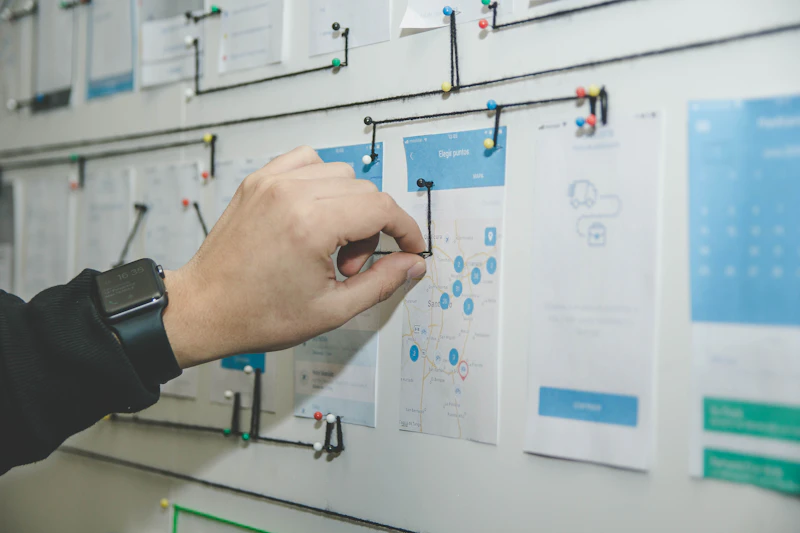
You cannot manage a 14-step cadence for 100 prospects manually using sticky notes.
You need a Sales Engagement Platform (like Outreach, Salesloft, or Apollo).
These tools automate the emails and remind reps when to make phone calls or send LinkedIn messages.
But be careful.
Automation can lead to lazy, robotic outreach.
The platform should automate the timing, not the personalization.
Train your reps to customize the first 20% of every email. Let the template handle the rest.
Automate the cadence, but humanize the message.
If you build this architecture, your sales team will close more deals. Your marketing leads will stop leaking out the bottom of the funnel.
Stop checking in. Start following up.